Our Thematic Approaches- VISTA Initiative
VISTA Initiative implements a multi-sectoral, rights-based, and community-driven approach to address the urgent needs of crisis-affected and underserved populations. Our programs prioritize women, children, youth, and persons with disabilities, integrating humanitarian response with long term development, resilience, and inclusion.
Below are our well thought out approaches on our respective thematic goals:

Our strategy 1
Enhance learning opportunities with special attention to girls.
- Increase access to inclusive, quality formal and alternative education for children affected by emergencies.
- Challenge and transform social norms, cultural practices, and systemic barriers that limit education opportunities for girls and boys.
- Promote active roles for women and men in supporting education in their communities.
- Engage in policy advocacy to increase education funding and ensure the safety of schools and learning institutions.
- Strengthen government education systems and community structures for better response, coordination, and education management.
Our strategy 2
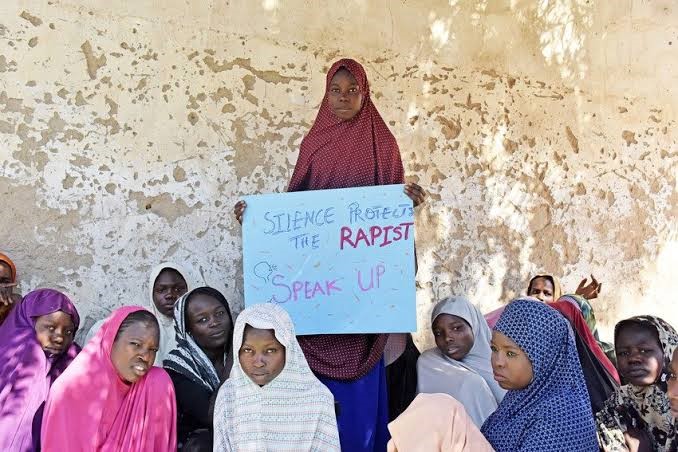
Protect Women, Children, and Vulnerable Groups
- Prevent, reduce, and respond to protection risks while enhancing the resilience of affected individuals and communities.
- Engage women, girls, and broader community members to strengthen local systems that prevent gender-based violence and promote equity.
- Advocate for the enforcement of laws and policies protecting women and children from all forms of violence, abuse, and exploitation.
- Promote cross-sectoral collaboration to ensure all children are safe, supported, and able to reach their full potential.

Our strategy 3
Promote Better Health Services
- Support the delivery of life-saving, quality healthcare in underserved and emergency-affected communities.
- Strengthen coordination with humanitarian partners and government institutions to provide essential clinical assistance, including stabilization centers for critical cases.
- Ensure timely response to public health emergencies and disease outbreaks through rapid response teams and coordinated preparedness strategies.
- Maintain and improve access to essential health services while supporting recovery and strengthening of local health systems for long-term resilience.
Our strategy 4
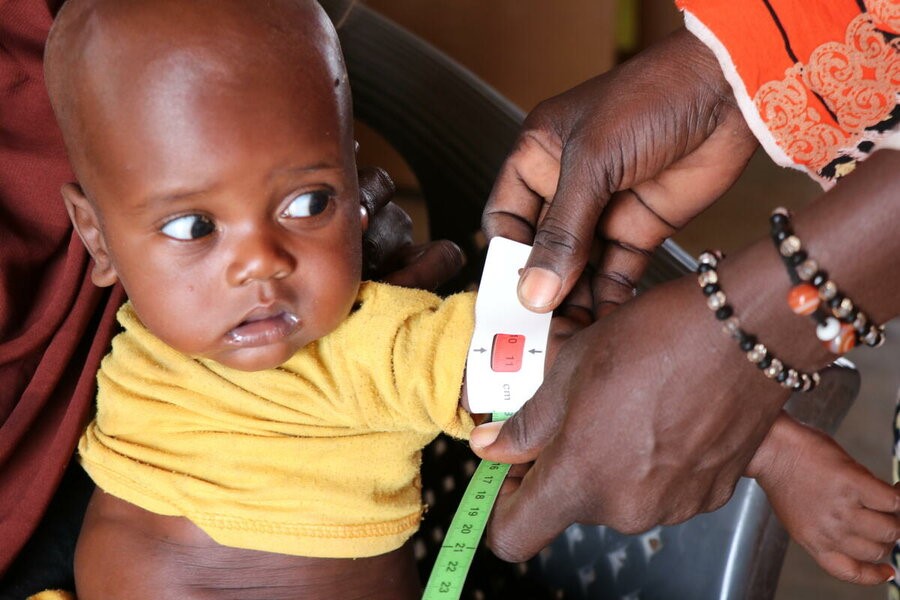
Improve Nutritional Status of Women and Children
- both emergency and development contexts.
- Provide therapeutic and supplementary feeding, including Ready-to-Use Therapeutic Foods (RUTF) and micronutrient supplementation for moderate and severe acute malnutrition.
- Deliver nutrition education to caregivers, promoting proper infant and young child feeding (IYCF) practices to prevent malnutrition.
- Integrate nutrition programming into health, WASH, and food security interventions to ensure holistic, coordinated, and sustainable support.
- Build the capacity of local health systems and community structures to manage nutrition programs, referrals, and follow-up care.
Our strategy 5
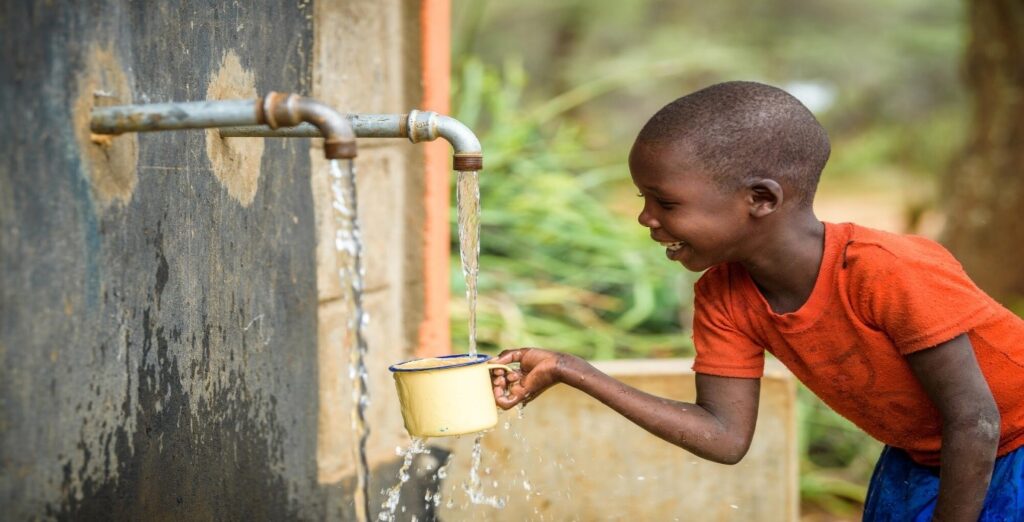
Improve Access to WASH Products and Services
- Provide safe and potable water to underserved and emergency-affected communities through new and rehabilitated water points and boreholes.
- Promote improved sanitation services, including latrines and handwashing stations, particularly in schools, health facilities, and displacement sites.
- Lead hygiene promotion efforts targeting behavior change, empowering families—especially women and children to adopt safe practices.
- Facilitate safe liquid and solid waste disposal through community-managed systems.
- Integrate climate-resilient WASH solutions, such as solar-powered water systems, to ensure long-term sustainability and reduced environmental vulnerability.

Our strategy 6
Food Security and Livelihood
- Support food-insecure households through cash-for-work programs, food assistance, and livelihood interventions, prioritizing women, youth, and persons with disabilities.
- Deliver vocational training and promote green and climate-smart job skills for sustainable income generation.
- Expand livelihood initiatives to include small business development, agricultural support, and climate-smart practices for long-term resilience.
- Foster social cohesion and inclusive economic recovery by engaging communities in collective livelihood planning, market access, and local value chains.

Our strategy 7
Early Recovery and Resilient Livelihoods
- Support communities to rebuild and recover after crises through early recovery programs that restore essential services and infrastructure.
- Promote sustainable, climate-smart livelihood initiatives that improve household income and resilience.
- Strengthen local governance and community structures to enable participatory planning, ownership, and sustainable recovery.
- Encourage collective community engagement in economic and social recovery to foster self-reliance and reduce dependency.

Our strategy 8
Shelter, Camp Coordination, and Non-Food Items (CCCM/NFI)
- Provide safe, dignified, and protective shelters for displaced and crisis-affected populations.
- Distribute essential non-food items (NFIs) to meet basic household needs during emergencies.
- Coordinate camp management services to ensure safety, equitable access, and protection of vulnerable groups.
- Support durable solutions, including return, relocation, or integration, in collaboration with local authorities and community stakeholders.

Our strategy 9
Governance, Civic Engagement, and Institutional Strengthening
- Promote transparency, accountability, and citizen participation at community and local government levels.
- Build local capacities to engage effectively with government systems and decision-making processes.
- Advocate for policies that protect vulnerable populations and ensure inclusive access to social services.
- Foster civic engagement to strengthen social cohesion and empower communities to co-create sustainable solutions.
Our strategy 10
Peacebuilding and Social Cohesion
- Strengthen community resilience through dialogue, reconciliation, and conflict prevention initiatives.
- Promote inclusive social cohesion and peaceful coexistence among diverse groups in crisis-affected areas.
- Support local mechanisms that mitigate tensions and prevent escalation of conflicts.
- Engage communities in participatory processes that empower them to resolve disputes peacefully and sustainably.
Our strategy 11
Climate Action and Environmental Sustainability
- Implement tree planting, reforestation, and ecosystem restoration initiatives to improve environmental resilience.
- Promote climate-smart livelihoods, adaptation strategies, and disaster risk reduction to reduce vulnerability to climate-related challenges.
- Integrate sustainable environmental practices across all sectors, including WASH, food security, and livelihoods.
- Empower communities to manage natural resources responsibly and build resilience against environmental shocks
Our strategy 12
Cross-Cutting Principles Across All Strategies
- Inclusion: Programs prioritize women, girls, children with disabilities, and marginalized groups.
- Protection: Child protection, GBV prevention, and safety are embedded in all activities.
- Equity: Barriers to participation and learning are removed to ensure equal opportunities.
- Community Ownership: Programs are co-designed and implemented with active community participation.
- Sustainability: Strengthening local systems, capacities, and governance ensures lasting impact beyond immediate interventions.